Living with chronic illness, neurodivergence, complex trauma and/or other fluctuating conditions, can mean adapting to changing capacity each day. Some days your body is able to do more or less than other days. Some days your brain is able to process more, or less. Wellness advice can often miss the mark and expect a level of consistency that not everyone has access to. Somatic Therapy can support those with fluctuating energy levels by providing nervous system care that meets you where you’re at.

Somatic Therapy Meets You Where You're At
One example of adapting Somatics could be doing shorter practices. There can sometimes be a misconception that healing work has to involve big breakthroughs and long sessions. But there should be no sense of failure in shorter practices that are more gentle. They can be just as meaningful - if not more so - because they bring steadiness by building sustainable support from the ground up, step by step.
Adapting rather than pushing can actually make your nervous system feel safer, making flexibility and regulation more possible over time. Somatic Therapy as a practice can meet people where they're at, which is so necessary for people managing dynamic disabilities, fluctuating energy levels, chronic illness and/or neurodivergence.
Somatic Therapy Doesn't Have to Mean Big Emotional Releases
Sometimes less is more, particularly for someone with a sensitised nervous system. In the world of wellness and healing, there can be a lot of content glorifying big emotional releases as though that’s what we should be aiming for.
But often, the healing journey can’t be turned into visually gripping dramatic content. It’s in the small moments everyday that slowly and steadily build to help your nervous system feel safe again after becoming dysregulated.
One example of this from my lived experience is when I was recovering from surgery, I adapted my own Somatic practices to do from bed. I did very short bitesize practices as opposed to longer sessions. The surgery caused nervous system dysregulation, as it's a lot for the body to go through. So I needed to be extra gentle with myself, and adapt to make my practices shorter and softer.
When you’re already dealing with so much, it can be important to reduce demands and expectations on yourself. Go gently, building support little but little.

These small but mighty practices could be:
- simply gently looking around the room and orienting
- connecting to a soft object as a resource like feeling the blanket in your hands
- noticing the body, seeing if you can feel into any areas that feel safe
- checking in on your capacity and adapting the day accordingly (I have a blog post on how to feel into your capacity here)
- bringing in gentle connection with nature, whether it’s watching the branches of a tree sway in the wind from your bed, or stepping out into nature (I’ve written more about eco-somatics here)
It doesn't need to be overly complex. And often it’s the simple practices that become the ones we can more easily build an ongoing habit out of.
Accessible Somatic Therapy in session can look like:
- bed-based somatic practices
- closing the eyes, or not looking at the screen during an online 1-1 session
- shorter sessions
- orienting and grounding exercises guided by a trained Somatic Therapist
- using a comfort object, sensory aid or stim toy
- adapting to stay within your capacity
Why Accessibility Matters in Trauma-Informed Healing
Choice matters deeply to the nervous system, especially when autonomy has been taken away in the past. Restoring autonomy is one of the earliest steps in trauma-informed healing.
Accessibility matters to me, because I know what it feels like to be met with access barriers. Including adaptations, whether it’s during a group sound bath, a 1-1 Somatic Therapy session or any other kind of well-being event, is such an important part of making our spaces more inclusive.
The most supportive spaces I’ve been in are those that allow micro-choices. Choosing where to sit. Having access to blankets or fidget tools. Inclusive bathrooms. Accessible venues. Practitioners who are willing to accommodate needs or who actively ask about them.
The more autonomy and choice we experience, the more the nervous system can soften in healing spaces.
Oversimplified healing messages can unintentionally place blame on someone for not feeling a certain way. The nervous system settles more when it is accepted as it is, rather than being forced into a high-vibe, toxic wellness mould.
The very act of being met where you are, is affirming.
Building Stability Before Processing
So much of the work we do together in Somatic Therapy 1-1s is about gently building stability, and solid foundations before doing any processing. I spoke earlier about ways to go gently, how less is more, and how small regulatory tools can make a big impact.
Part of this work is about making space to notice when your capacity is lower, which might call for softer practices like resourcing or grounding. This can help you build stability which will eventually support you to save the processing work for a time when you have more capacity to move through it.
How Trauma-Informed Online Somatic Therapy Can Support You
If you’re dealing with chronic illness, neurodivergence, trauma recovery or fluctuating capacity then online Somatic Therapy can be a great resource. This body-based approach can be especially helpful if you’ve ever felt stuck in traditional talking therapy (read my blog here ‘Somatic Therapy & Talk Therapy: What’s the Difference?’ for more on that topic!)
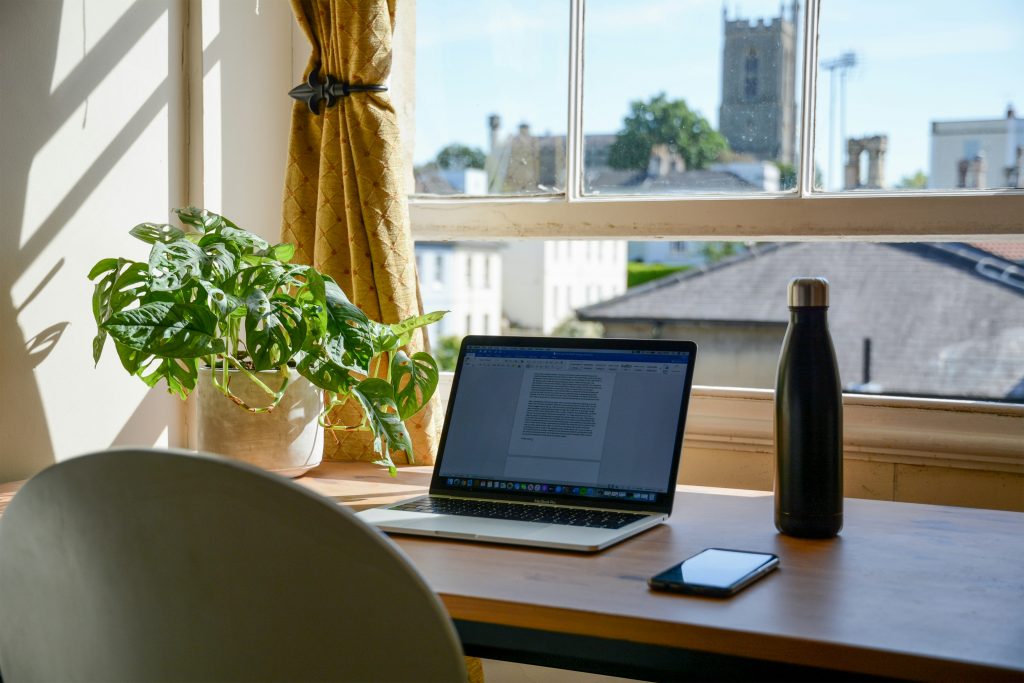
Online sessions are designed to be accessible, flexible, and effective, allowing you to receive support from the comfort of your own home.
Working online can be especially helpful for those navigating chronic illness, burnout, or neurodivergence. With pacing needs, leaving the house can cost a lot of extra spoons/ pace points / capacity, so I offer online therapy to help you conserve time and energy.
Sessions take place via secure video platform and include the same trauma-informed, body-based approach as my in-person sessions, using practices such as grounding, breathwork, and nervous system awareness. I always adapt around the individual I am working with, so you get a very tailored approach specific to you and your needs.
Want to learn more?
Click here to learn more about my neurodiversity-affirming, trauma-informed somatic therapy.
Book a free call with me now to get to know me and how I can support you to reconnect with your body and build resilience.